
Turn 0DTE Guesswork Into a Real Trading Edge
Deep dives into SPX market microstructure, theta decay strategies, and gamma exposure — the same data-driven frameworks that power SPXXL every trading day.

The 4 Jobs of a Profitable 0DTE Trader
Most traders are doing 20 things at once. Profitable ones do four: build the system, make it measurable, automate the heavy lifting, and work on yourself. Here's how SPXXL handles all four.
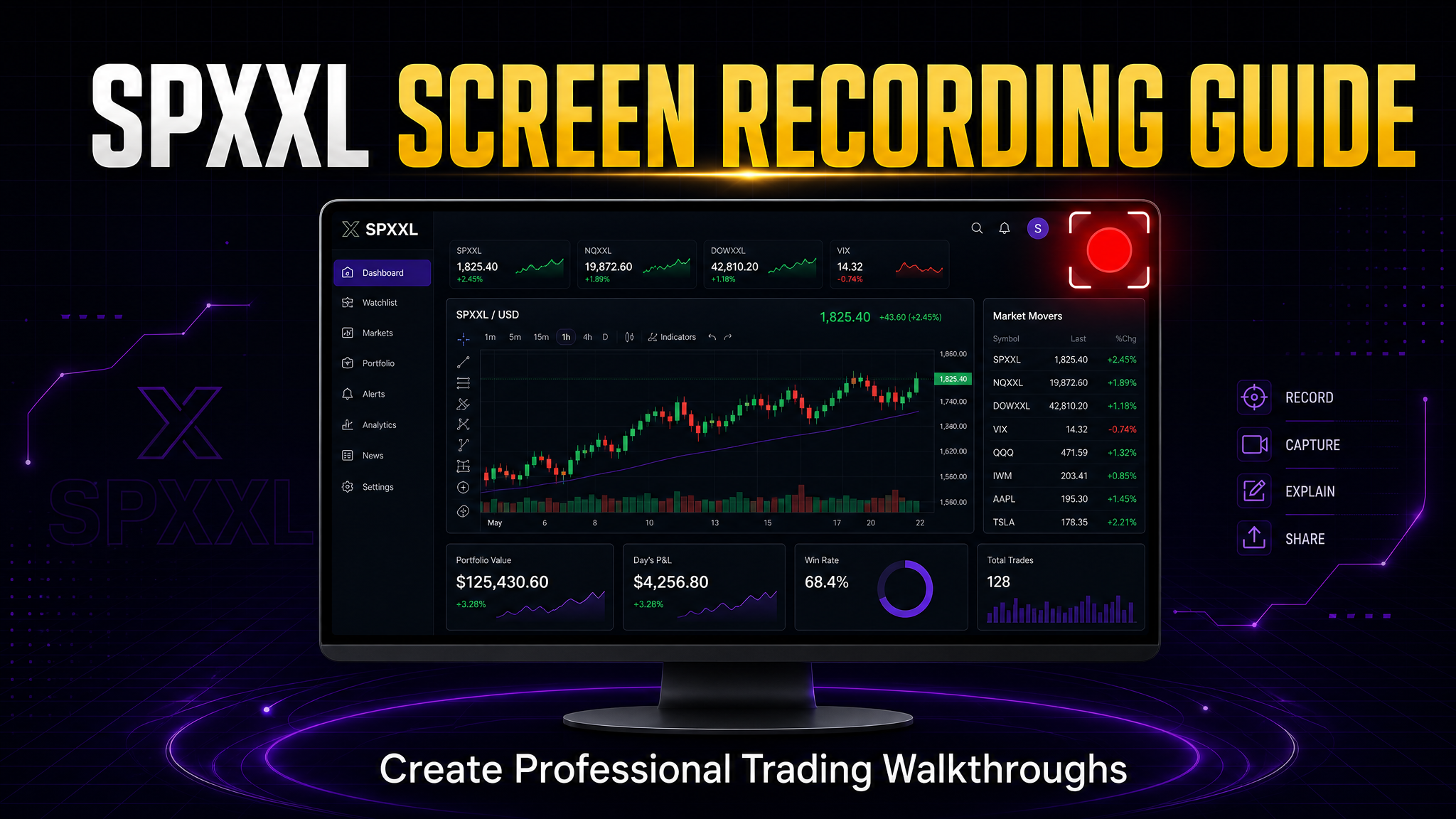
How to Create SPXXL Screen Recording Videos
Step-by-step guide to creating professional screen recording walkthroughs of the SPXXL platform. OBS Studio configuration, audio optimization, dashboard layout, and platform-specific publishing tips.
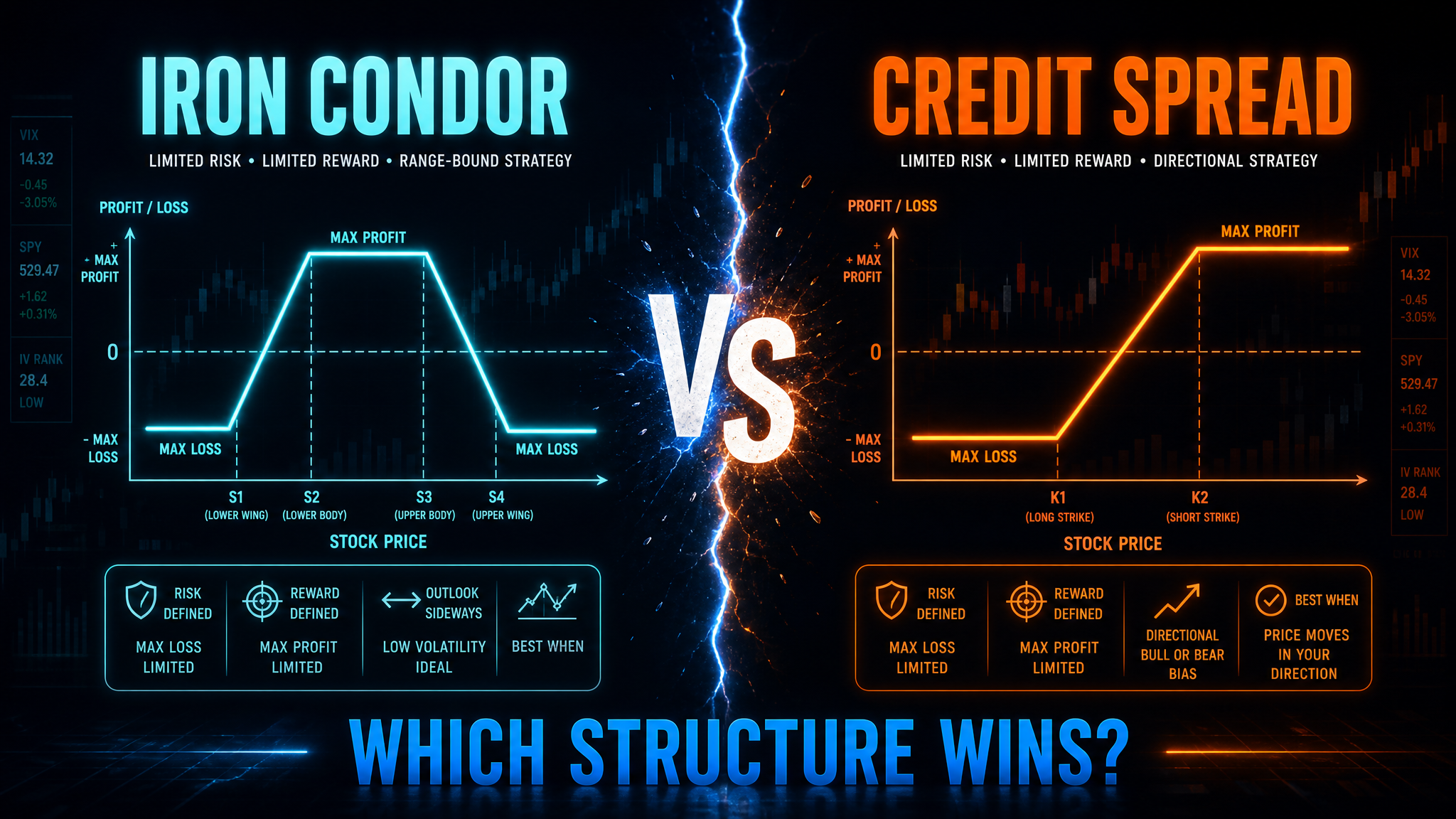
0DTE Debit Condors vs. Debit Spreads: Which Structure Wins?
Head-to-head comparison of Debit Condors vs Debit Spreads for 0DTE SPX options. Session-type performance matrix, decision flowchart, risk profiles compared, and when to use each structure based on SPXXL classification.

The 3:50 Trap — Why the Closing Auction Erases Winning SPX Trades
At 3:50 PM ET the NYSE begins publishing the Closing-Auction Imbalance and the final minutes turn to chaos. Because 0DTE settles on the close, a winning spread can round-trip a full day’s gain before the bell. The discipline: be flat before the auction.

Footprint Charts Explained — and Why SPX Traders Can't Actually Use Them
Learn what Footprint Charts are, how institutional traders read Delta, Imbalance, and Absorption from them — and why SPX 0DTE traders need a different approach. SPXXL's Order Flow proxy engine explained.
The PDT Rule Is Dead. Your Edge Starts Now.
The Pattern Day Trader rule was officially eliminated today. For the first time in 25 years, every American can day trade 0DTE SPX options without a $25,000 minimum. Here is why this changes everything — and how to start with a FREE trading week.
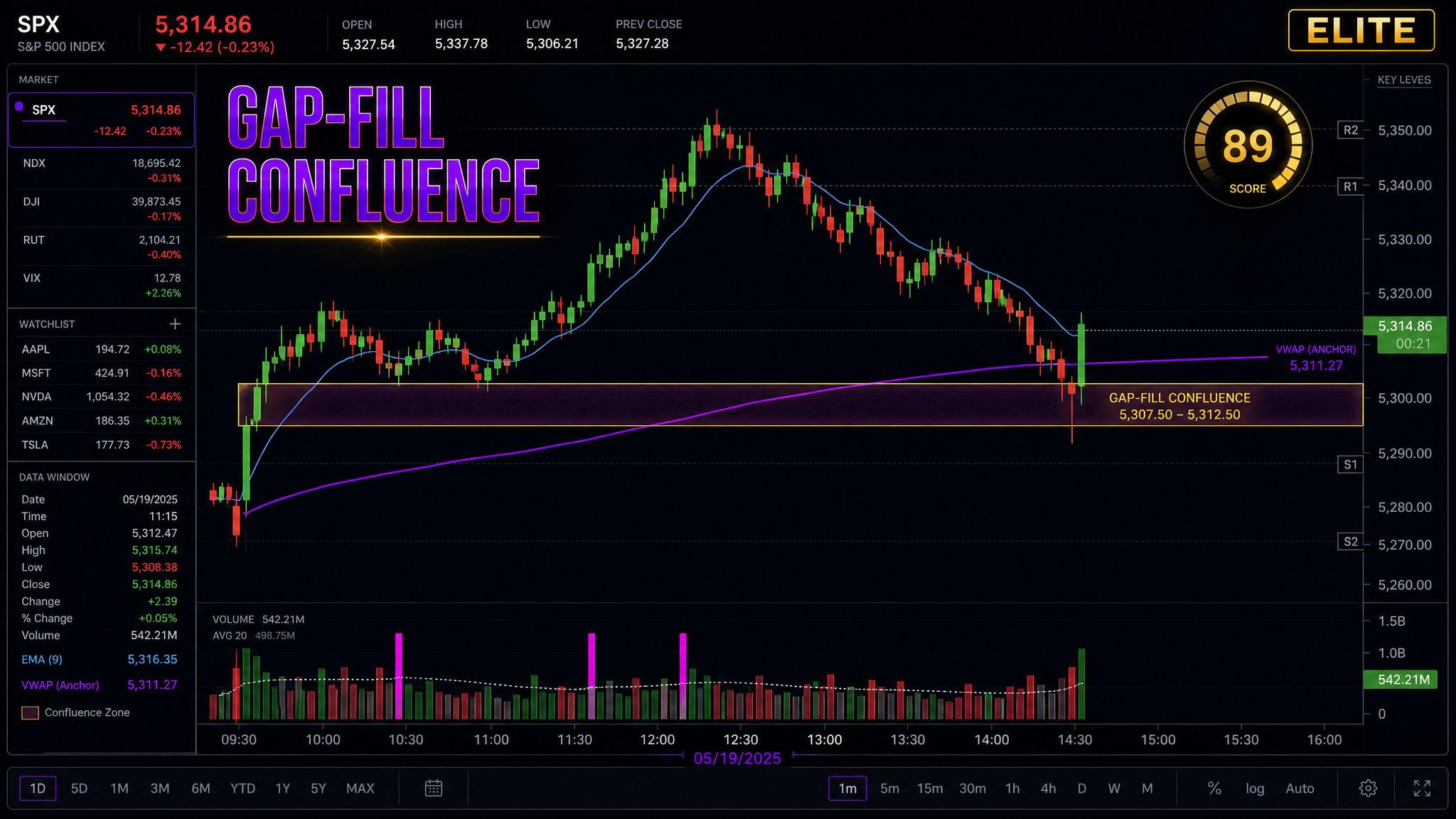
Gap-Fill Confluence: Turning the Morning Gap Into a Scored Setup
SPXXL’s Elite Gap-Fill Confluence engine turns the SPX morning gap into a transparent 0–100 scored setup — gap detection, a 2-Day Anchored VWAP confluence pocket, rejection candle, volume confirmation, target ladder, and regime awareness for 0DTE gap-fade trades.

PDT Rule Gone — Best 0DTE Strategy for Small Accounts Under $5K
The PDT rule was eliminated June 4, 2026. Here is the complete playbook for trading 0DTE SPX options with $2,000-$5,000 — real position sizing math, Debit Spread structures, session classification filters, risk management rules, and a starter checklist.
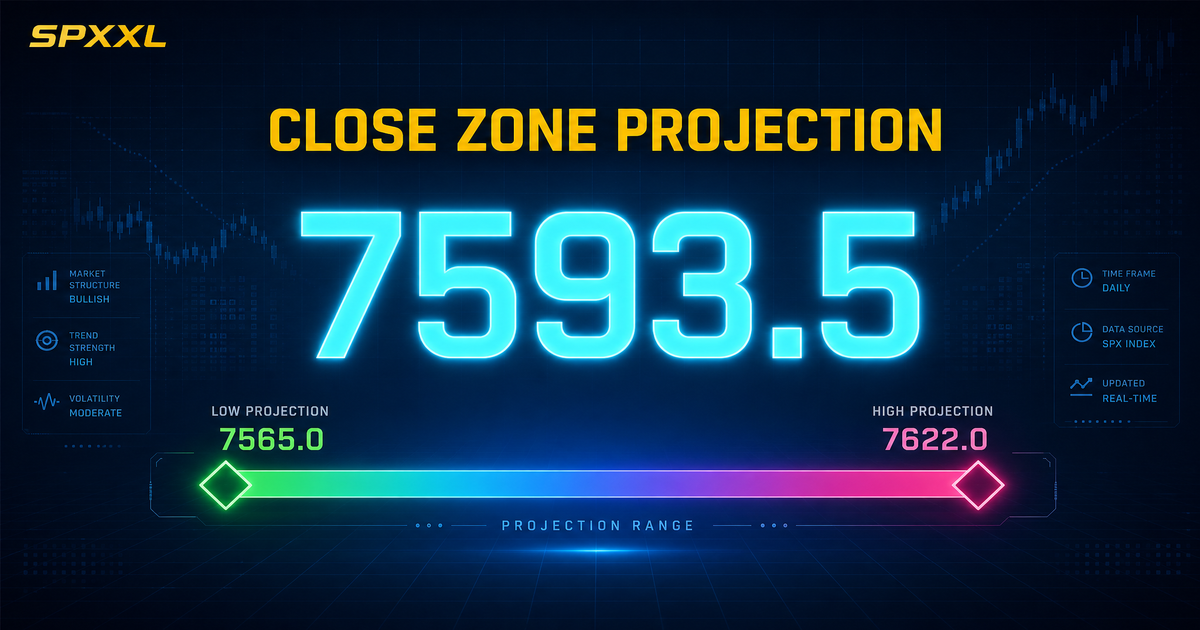
Temporal Confidence Intelligence: The 3-Layer Close Zone™ Engine
How SPXXL Close Zone™ uses a 3-layer temporal confidence architecture — streaks, transitions, convergence, sigmoid-scaled 9-factor scoring, and an interactive intelligence panel — to project where SPX will close with decomposable conviction.

The $100 Dollars a Day Challenge — I Got Options™
“I Got Options™” is the three words you say when life tries to corner you — and the FREE five-day SPXXL Challenge built on top of them. Learn to read the SPX session and play one defined-risk 5-wide 0DTE trade toward a $100 target. Inside: the double meaning, the four defined-risk products, the $100/$400 math that only locks on a 5-wide, the obstacle-removal stack, and how to enter with no cost and nothing to cancel. Optionality built before a crisis, never funded by it.

Delta Divergence for 0DTE: Reading Exhaustion Before the Reversal
Learn how Delta Divergence warns you that a trend is dying before the chart shows it — and how SPXXL's momentum engine catches the exhaustion signal on SPX 0DTE sessions.
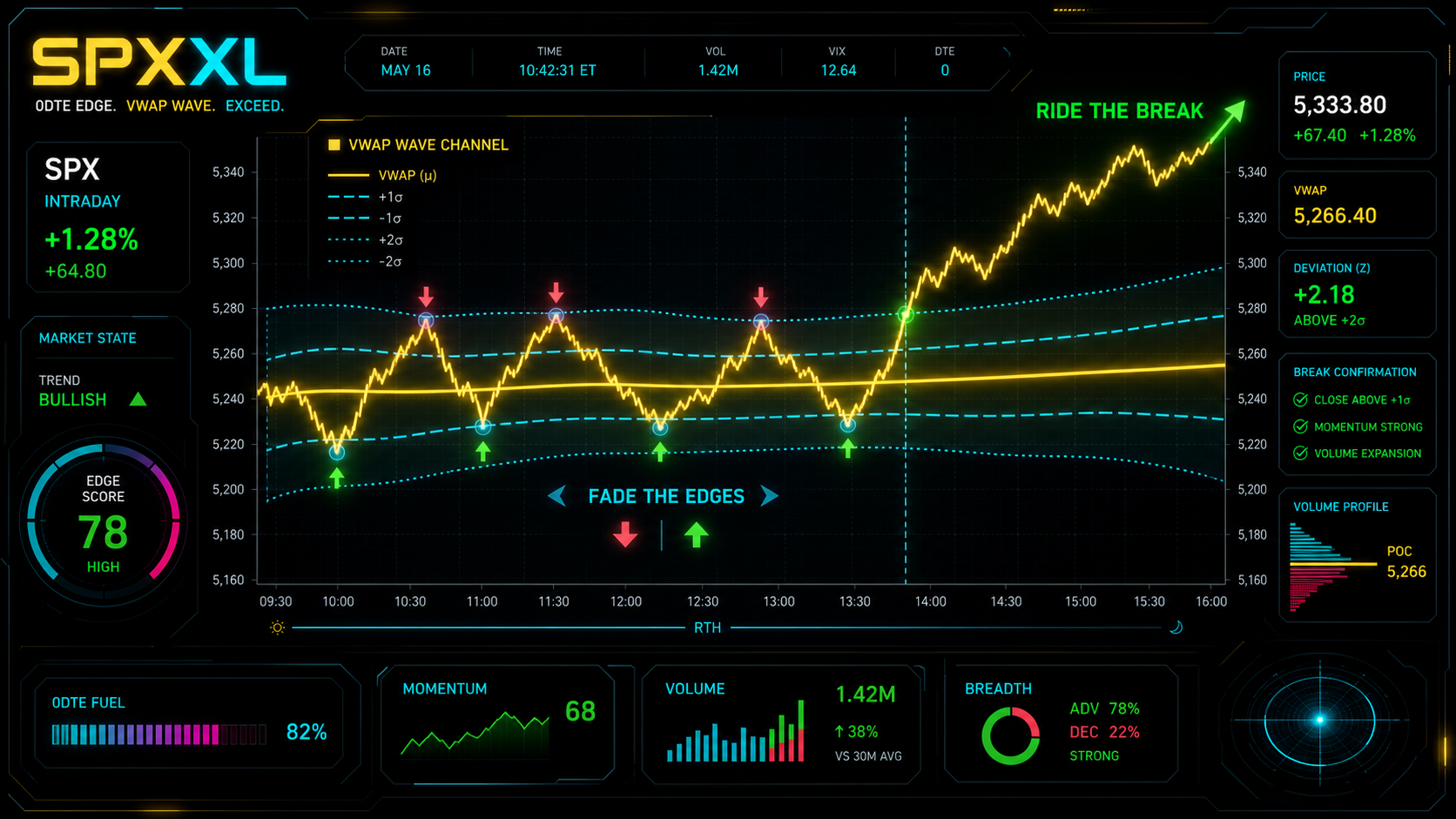
The VWAP Wave Gameplan
A creative SPX 0DTE gameplan built on the VWAP “wave” — VWAP and its ±1σ bands as the value area. See how to read balance vs. discovery on the SPXXL chart, fade the band edges back to VWAP with Condors, Butterflies, and target debit spreads, ride confirmed breaks with bull-call and bear-put spreads, and skip the no-edge middle. Uses only SPXXL features and your favorite defined-risk SPX structures.
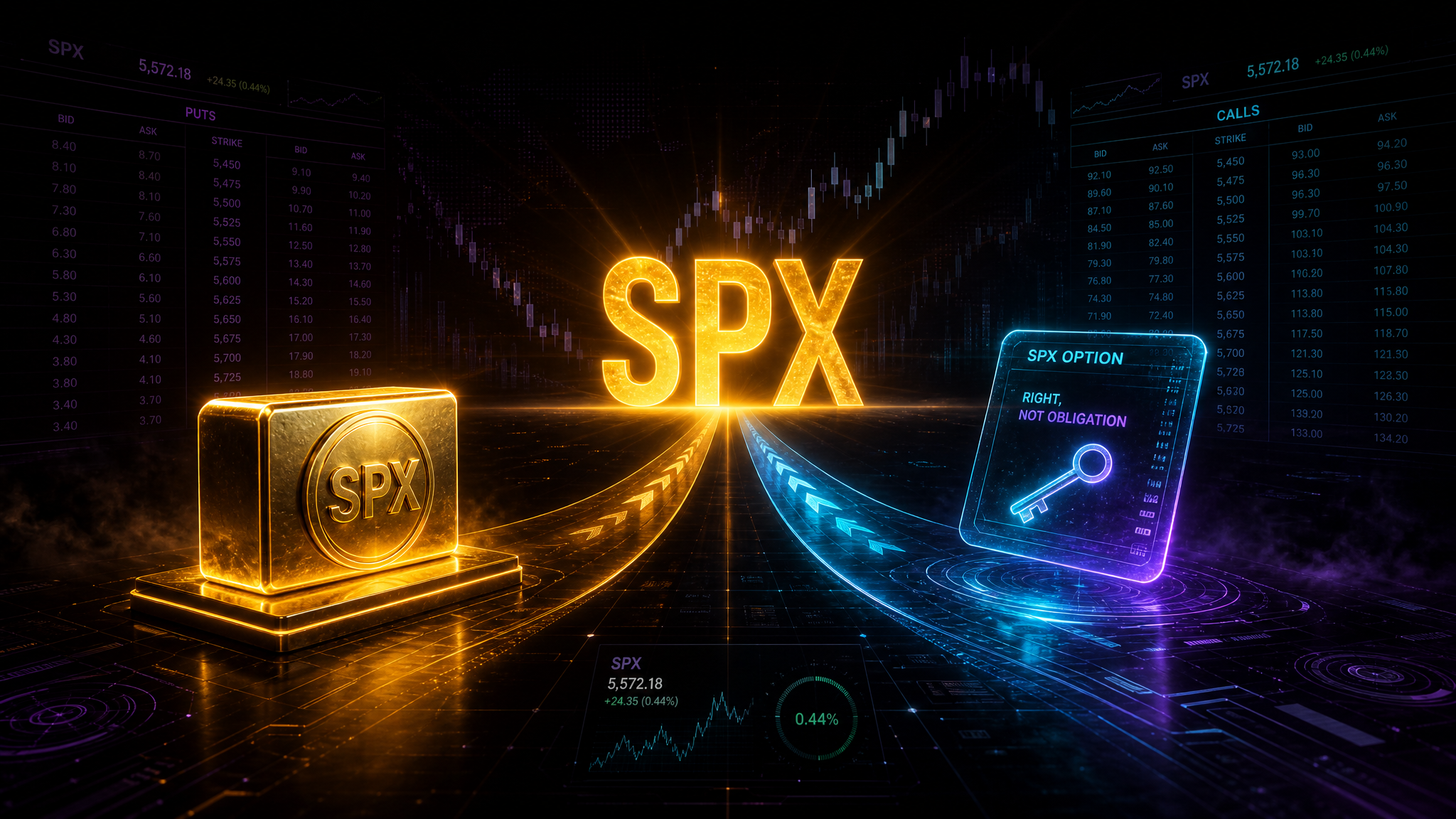
What Is an Option in Options Trading?
Start from absolute zero. Learn what an option really is — a contract, not the market itself — and see the crucial difference between owning the SPX index directly and buying an SPX option. Calls, puts, strike price, premium, expiration, defined risk, and leverage, all explained in plain English with SPX leading every example.
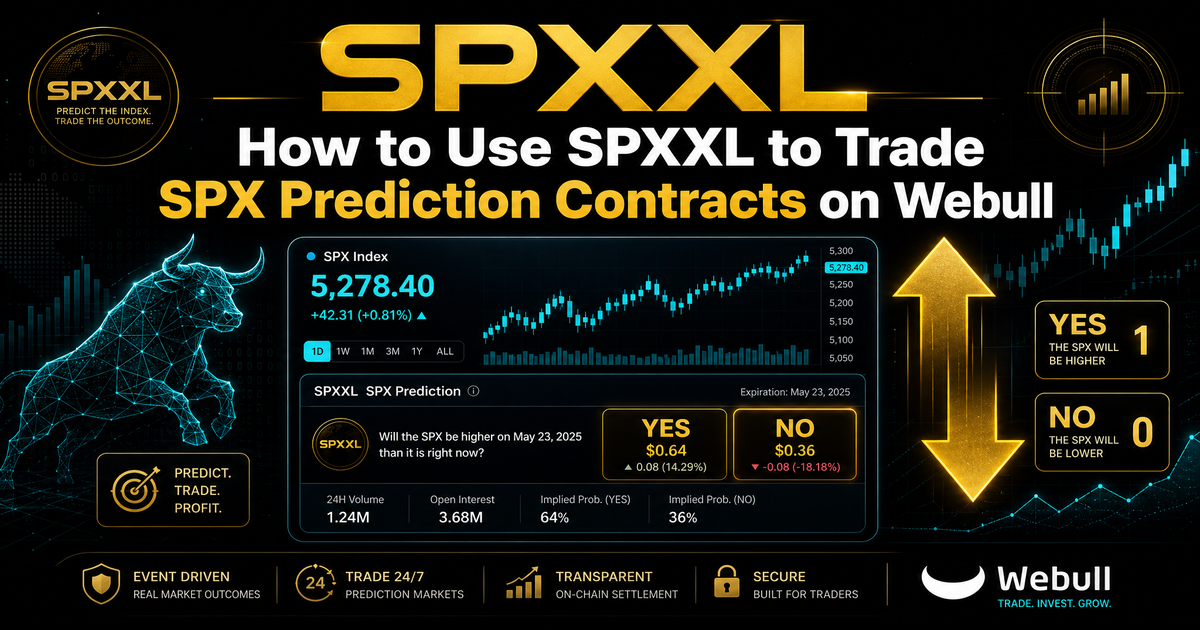
How to Use SPXXL to Trade SPX Prediction Contracts on Webull
Webull now offers SPX prediction contracts (above/below bets) via Kalshi. Most traders are guessing. Here is how to use SPXXL session classification, Close Zone™ projections, and GEX context to trade them with a real edge.
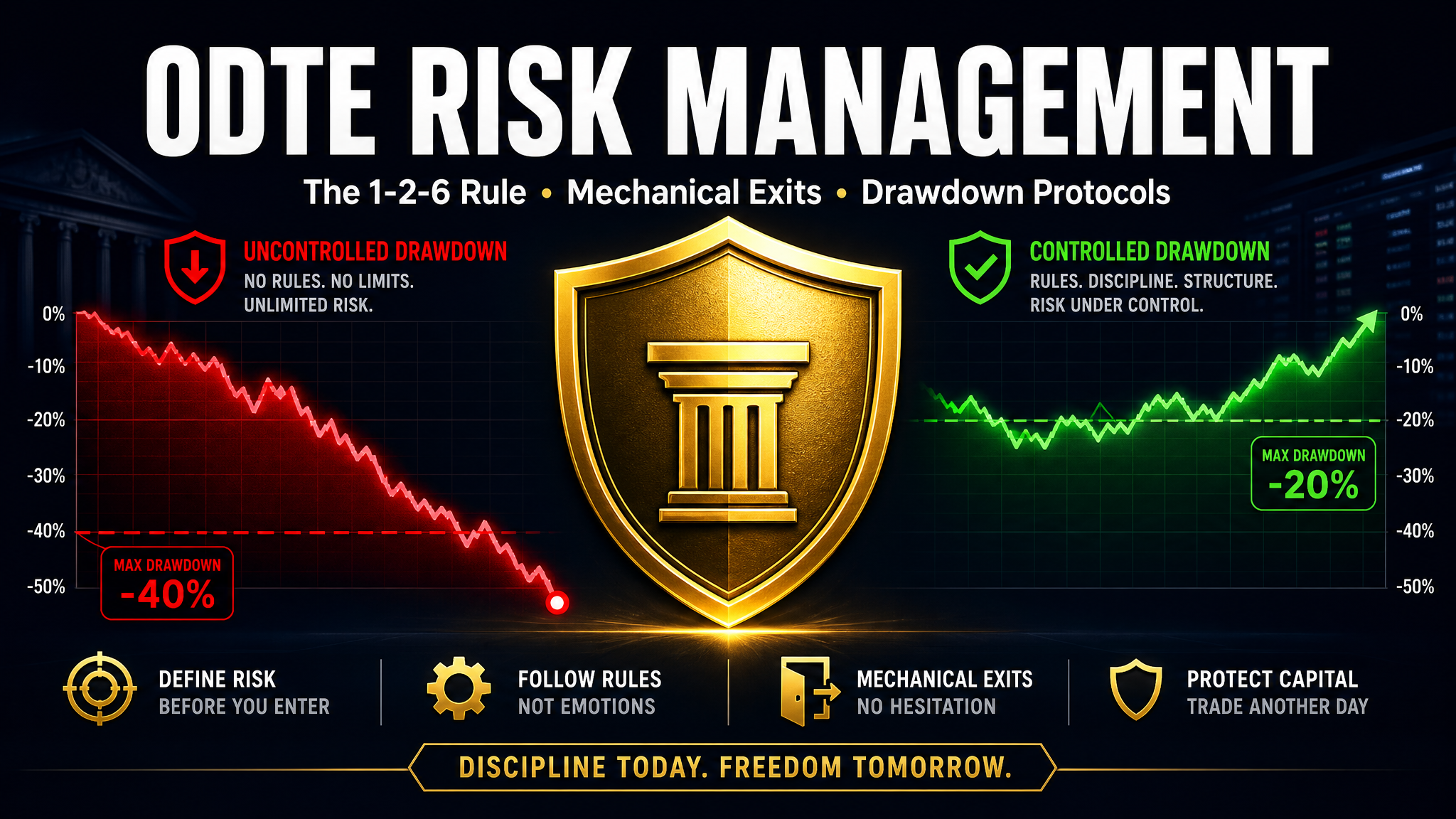
0DTE Options Risk Management: The Complete Framework
The position sizing, defined-risk structures, mechanical exit rules, event day adjustments, and drawdown management protocols that separate professional 0DTE traders from blown accounts.

Why SPXXL Classifies, Not Predicts
Prediction is a seductive trap. The best systematic traders don't predict — they classify the current environment and let process dictate the response. Computational irreducibility, process over outcome, alpha decay, and the "leech on the whale" principle.

Absorption & The Big Number Trap
Learn how Absorption at round numbers traps breakout traders, why the Big Number Trap is the most common 0DTE fakeout, and how SPXXL's Liquidity Sweep classification warns you before you chase.
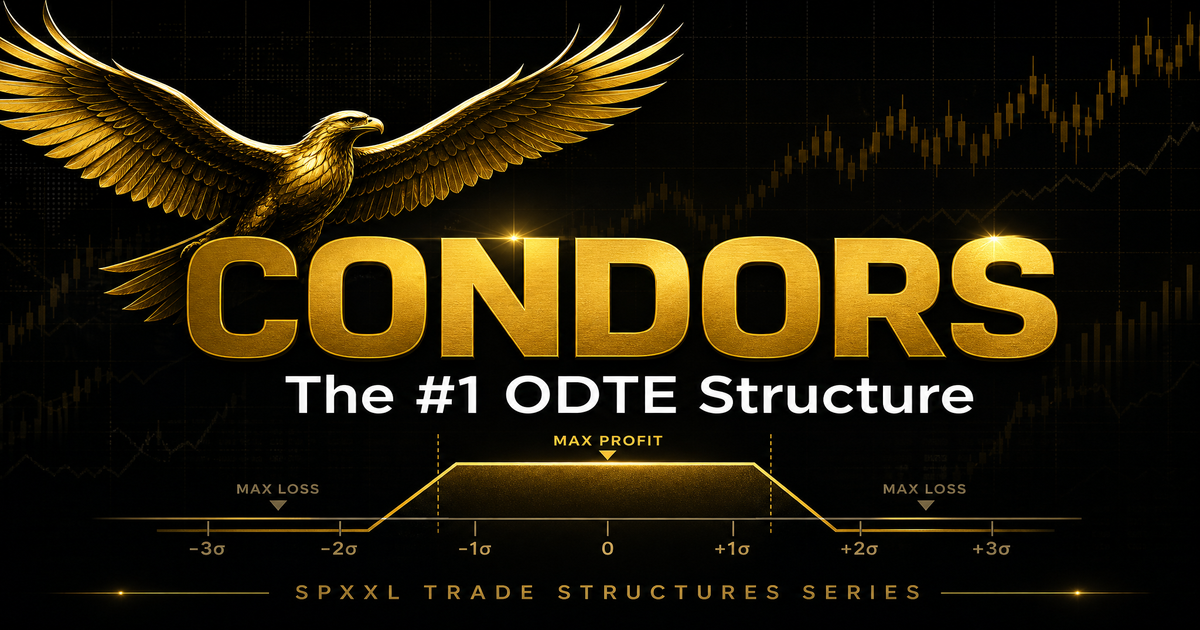
Condors — The #1 0DTE Structure for Balanced Days
The debit Condor is the perfect 0DTE structure for Balanced SPX days. Learn how to build it in ThinkorSwim, pick your strikes with SPXXL indicators, and harvest theta as time decays in your favor.

How to Trade SPXXL Liquidity Sweeps
A liquidity sweep is a stop-run, not a breakdown — price dips below an obvious level to trigger resting stops, then snaps back. Learn the exact 7-step framework for trading SPX Liquidity Sweep reversals: mark the pool, confirm the low-volume sweep, wait for the reclaim, find the order block + fair value gap entry zone, wait for the trigger, stop below the sweep low, and target the next liquidity pool at 2:1. Mapped to SPXXL session classification, dealer walls, and VWAP.
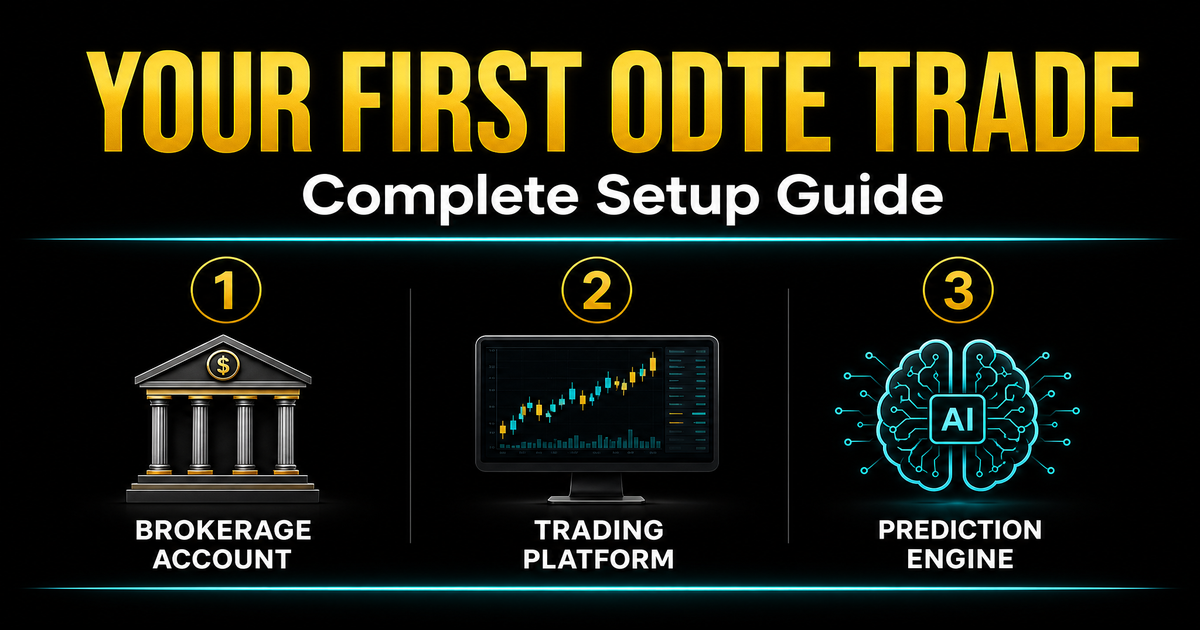
How to Make Your First 0DTE SPX Trade
Step-by-step guide to making your first 0DTE SPX options trade. Open a Charles Schwab account, get Level 2 options approval, download ThinkorSwim, sign up for SPXXL, and place your first trade — explained so simply a teenager could follow along.
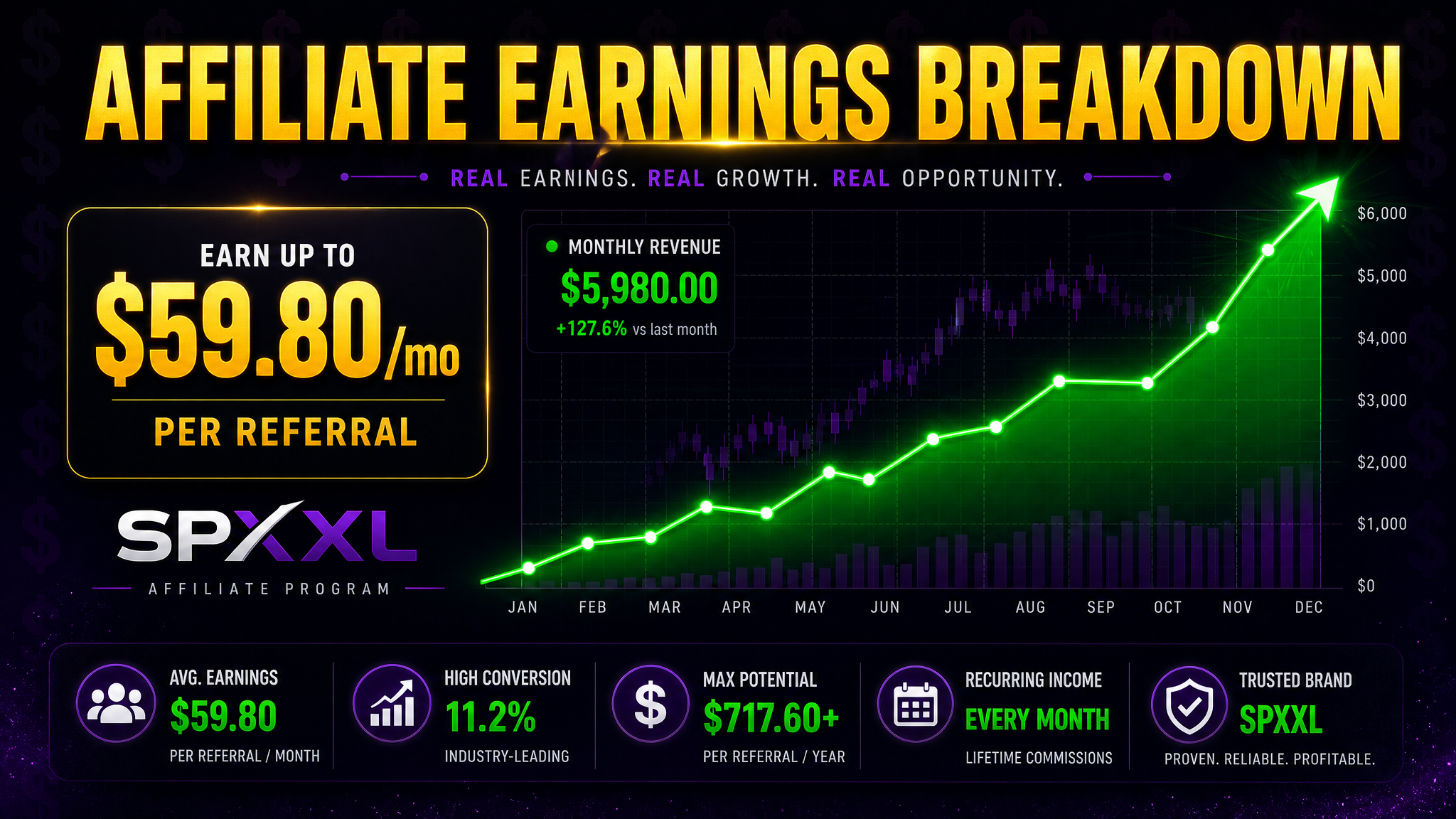
SPXXL Affiliate Earnings Breakdown
Detailed breakdown of SPXXL affiliate commissions. See exactly how 20% recurring works for the 0DTE Day Pass and Elite subscriptions, payout schedules, and realistic earning scenarios for trading educators.
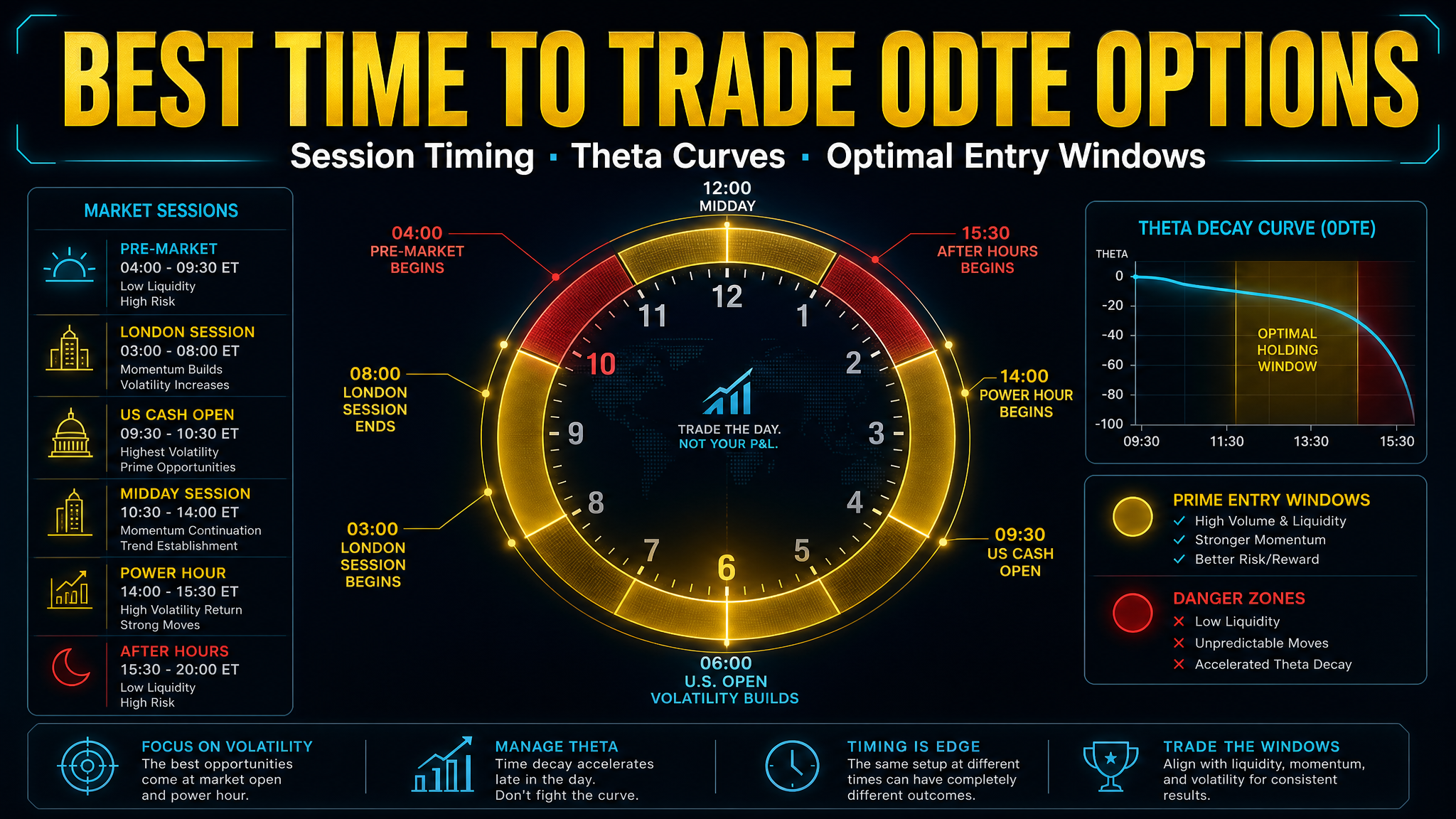
Best Time of Day to Trade 0DTE Options
Not all hours are created equal. Learn how theta decay, gamma exposure, and institutional flows shift throughout the session — and when the risk/reward is most favorable for each strategy type.

Retail Traders vs Institutions vs Market Makers — How Markets Actually Work
Before you learn a single strategy, understand what actually moves the price. It is not "more buyers than sellers" — it is aggression, institutional accumulation, and mechanical dealer hedging. Meet the three players, learn the four-phase cycle that drives every chart, and see where 0DTE fits in.

Vertical Debit Spreads Explained
Your first step beyond a single option. Learn what a vertical debit spread is, how to build a bull Call spread and a bear Put spread on SPX, and exactly how cost, breakeven, max profit, and max loss work. See why a spread beats a lone Call or Put — cheaper entry, closer breakeven, slower time decay — and how SPXXL helps you pick the direction and place your strikes before you trade an SPX vertical.

How to Make $500 Buying 0DTE SPX Options
The one number that makes SPX options click: you make $100 for every point past your breakeven. See real at-the-money examples at the current SPX price — buy a 0DTE Call or Put for about $500, watch $100 stack up per point, and learn how a big 100-point Trending day can turn one small ticket into a five-figure, lottery-style winner. Includes the honest catch: time decay and direction.

Affiliate Getting Started Guide
Step-by-step guide for new SPXXL affiliates. How to sign up, maximize your FREE trading week (5 live sessions), activate your affiliate link, and start earning 20% recurring commissions.
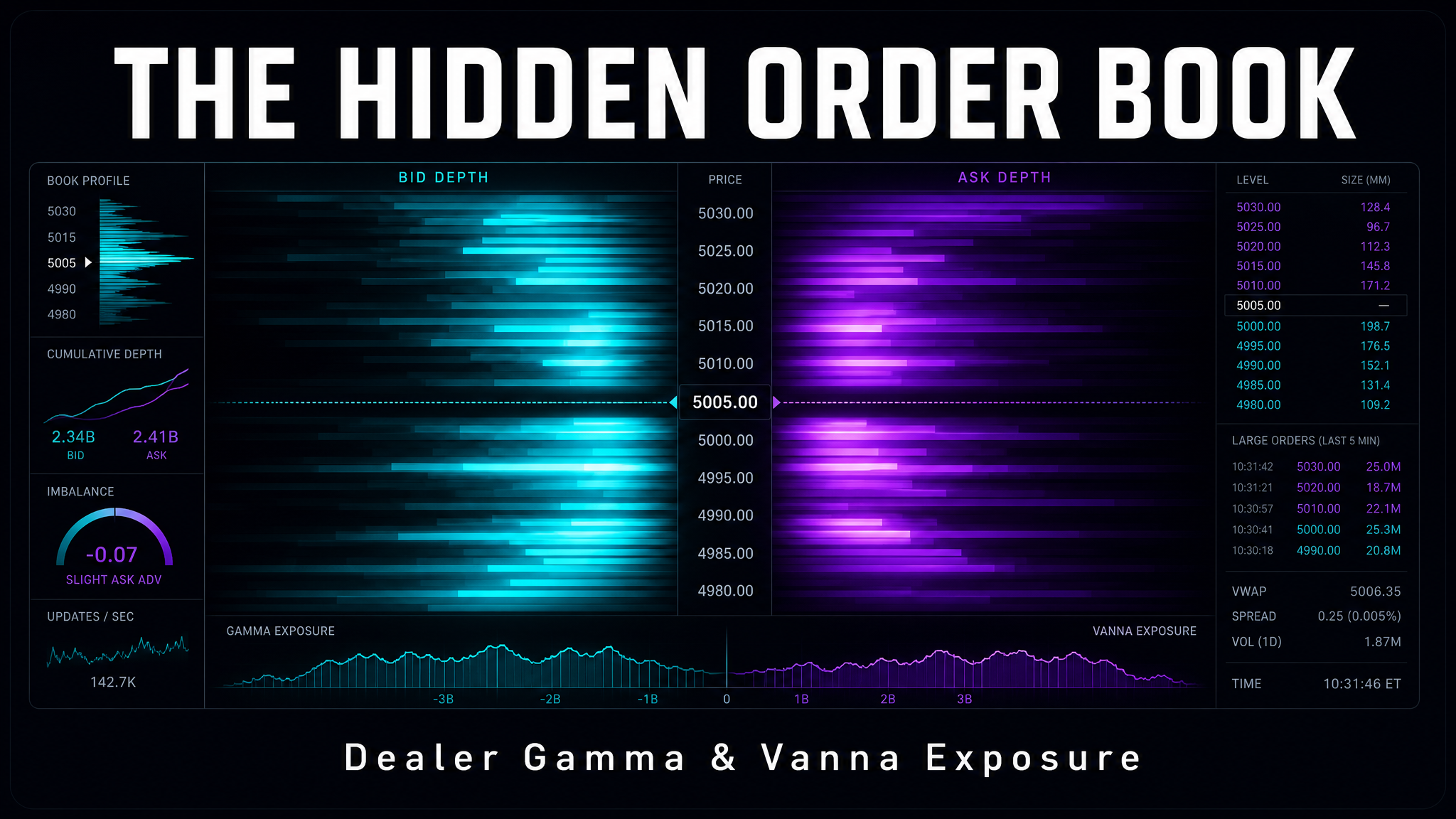
The Hidden Order Book Behind Your 0DTE Trades
Understand how dealer gamma exposure (GEX), vanna exposure (VEX), and the implied order book drive SPX session types, volatility regimes, and 0DTE structure selection.
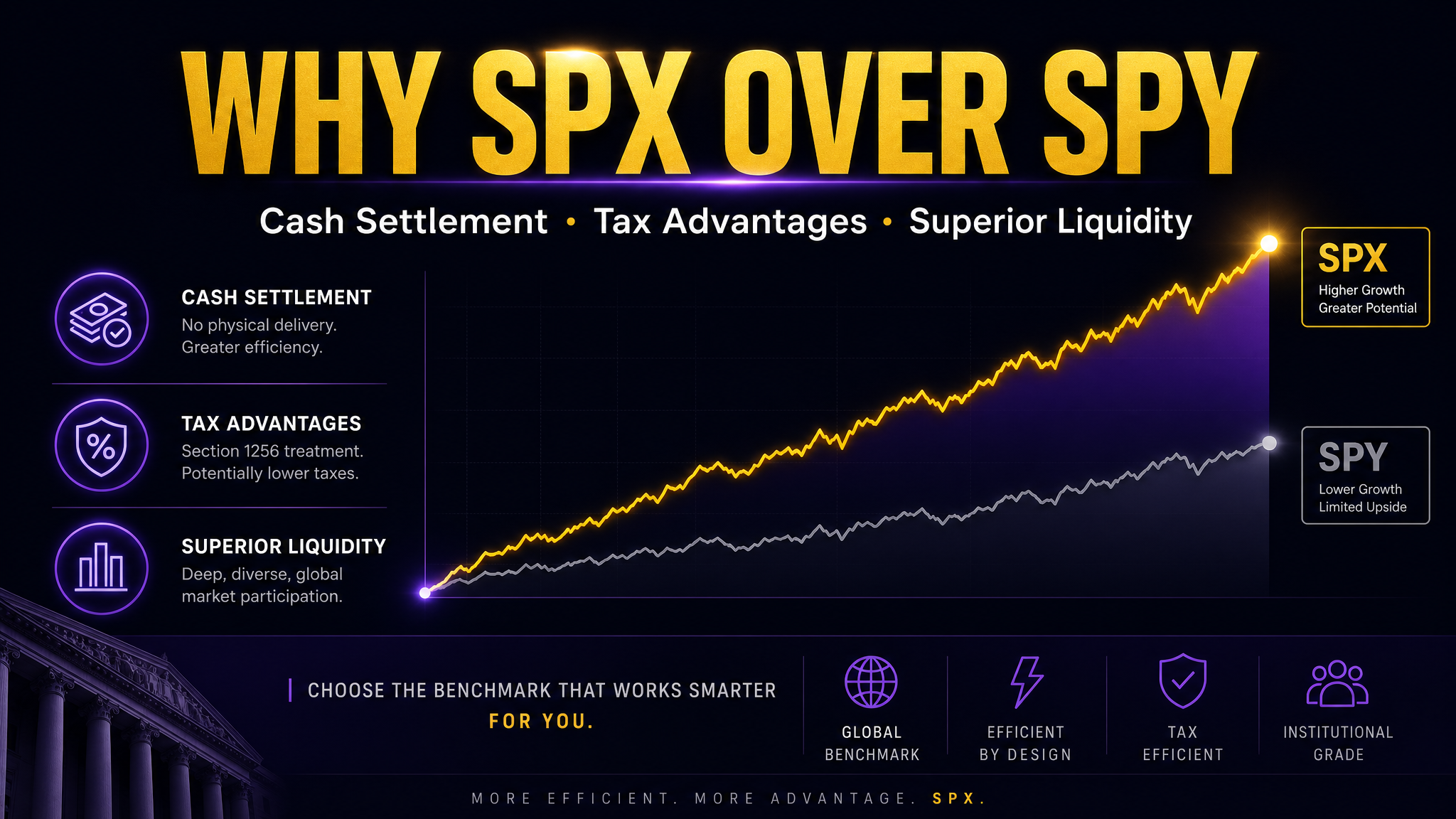
Why SPX Over SPY for 0DTE Options Trading
A deep dive into why serious 0DTE options traders choose SPX over SPY — cash settlement, 60/40 tax advantages, superior liquidity, and the elimination of the PDT rule.

The 6-Step Order Flow System, Automated for SPX 0DTE
How SPXXL's 6-Step Order Flow Confirmation widget automates the institutional Footprint Chart checklist for SPX 0DTE traders — Trend, Compression, Stacked Imbalance, Acceptance, Absorption, Continuation.
Call Options and Put Options Explained
Calls and puts are the two building blocks of every options trade. Learn what each one is from the SPX buying and selling angle, the four core positions and exactly how their risk differs, and why liquidity (an option’s popularity) quietly decides the price you really pay. Beginner-friendly, with SPX leading every example.
GEX Explained: How Gamma Exposure Controls Your 0DTE Trades
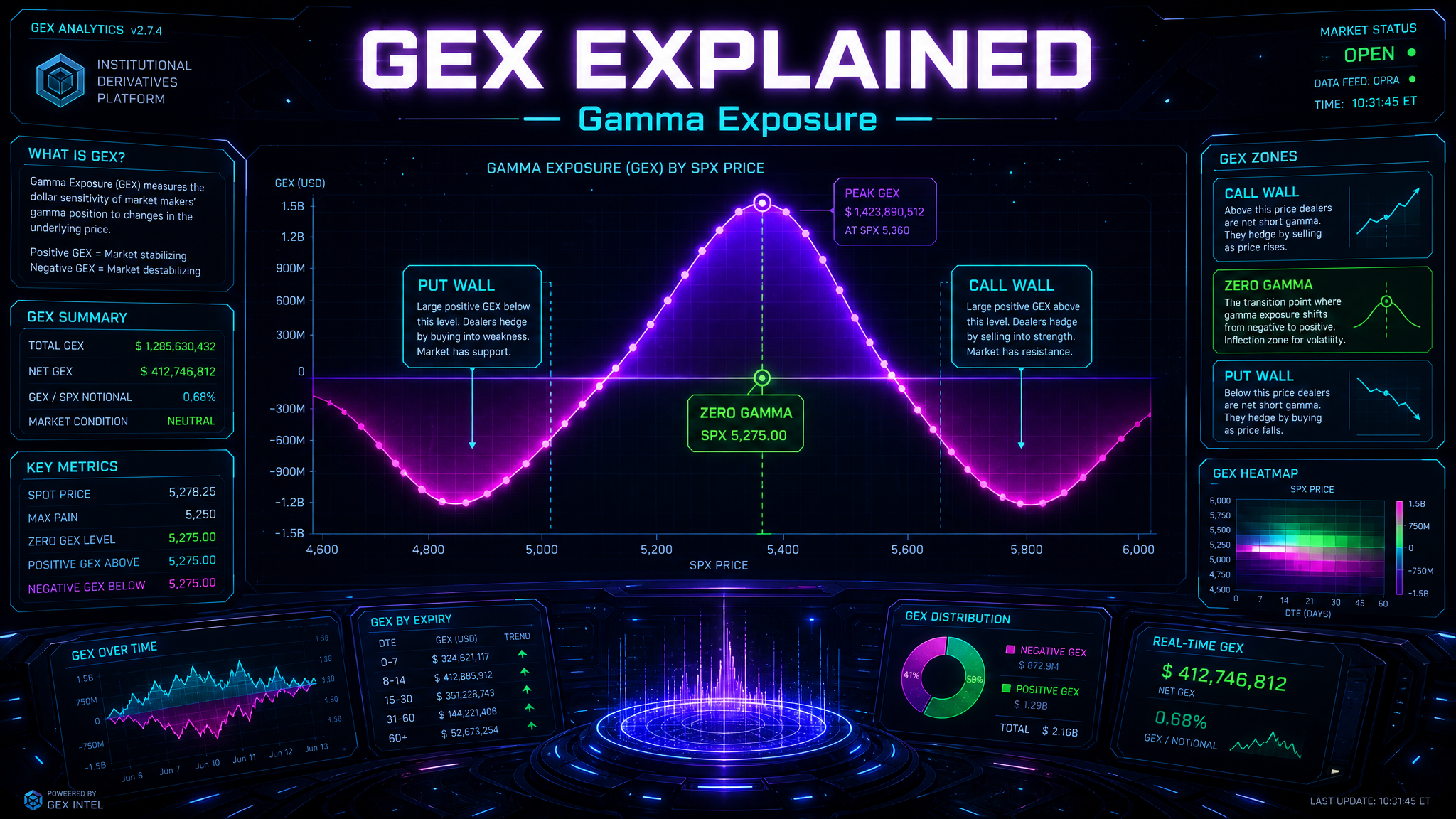
Complete guide to Gamma Exposure (GEX) for SPX 0DTE options. How dealer hedging creates support/resistance, positive vs negative GEX regimes, Call Walls, Put Walls, Zero Gamma, and how GEX maps directly to SPXXL session types.
Butterflies — The Precision Strike for 0DTE SPX
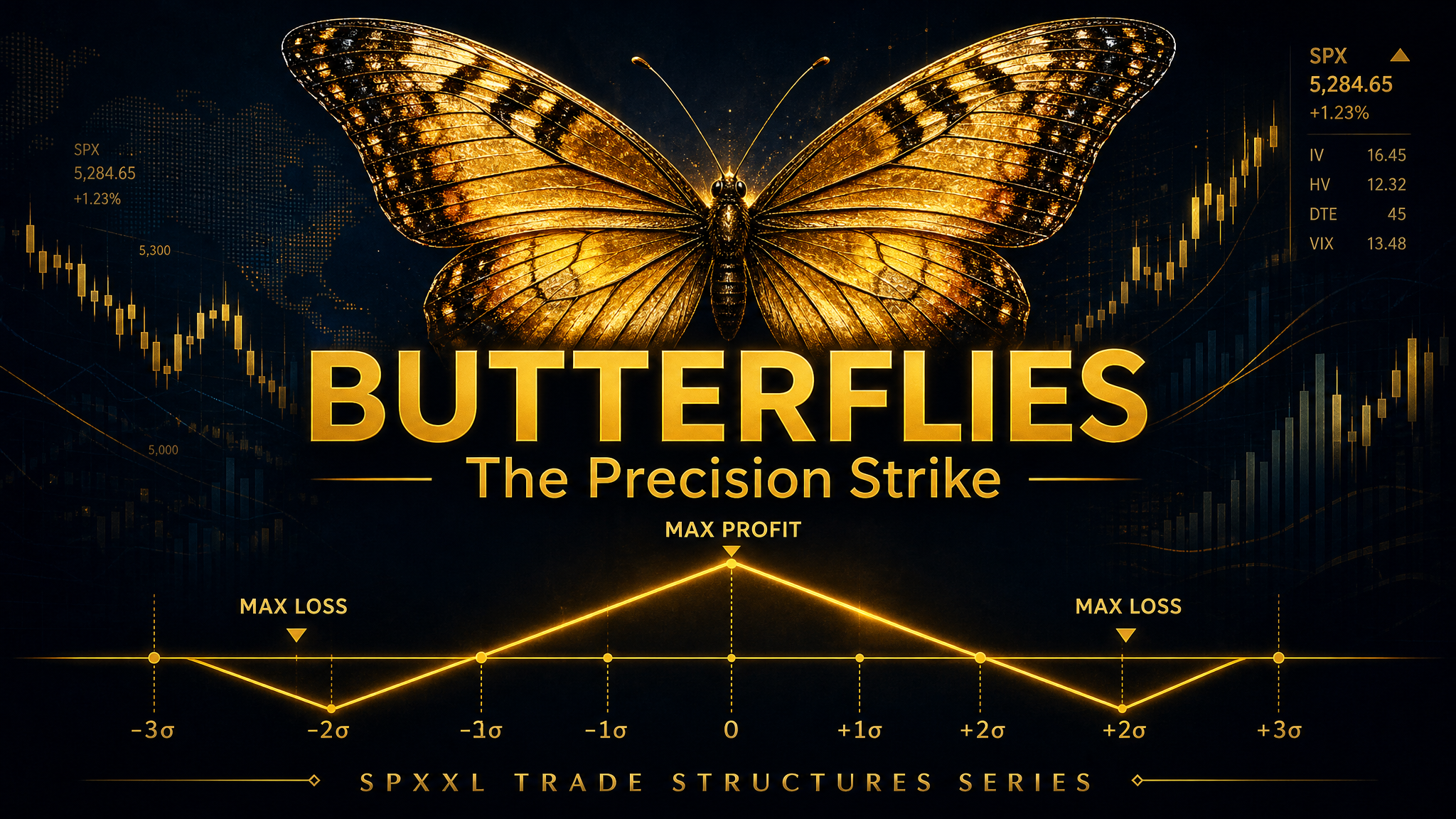
The long debit Butterfly is the ultimate sniper trade for 0DTE. Pay a tiny debit, target the exact close with SPXXL Close Zone™, and unlock reward-to-risk ratios that exceed 10:1. Learn how to build it, time it, and profit from it.
Expected Move: The Options Market's Price Forecast, Live on Your Dashboard
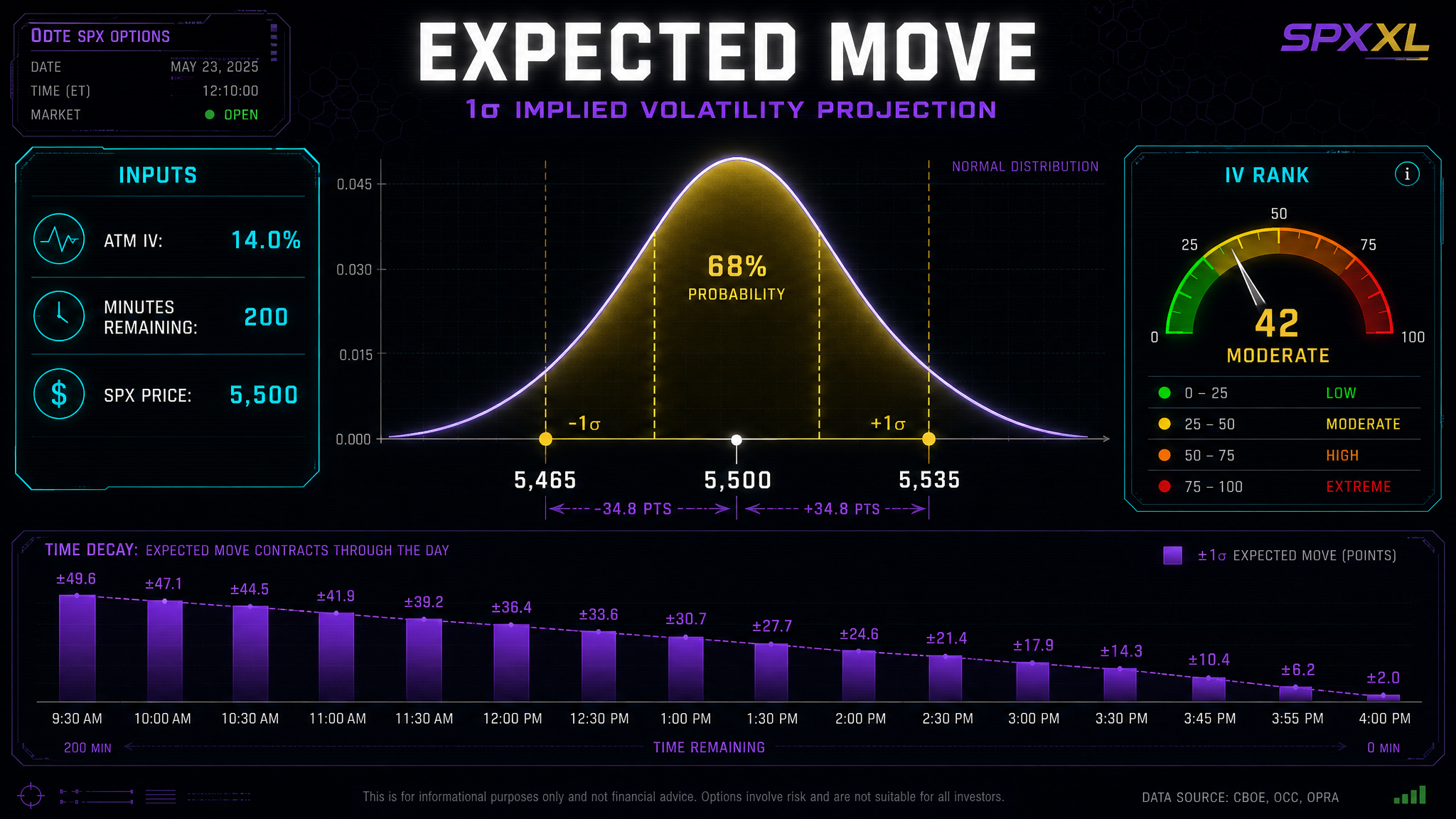
SPXXL surfaces the 1σ expected move in real time — ±points, IV%, IV Rank, and time-decay — recalibrated every 30 seconds. Learn the formula, strike selection strategy, and how to combine it with Close Zone™ for maximum edge.
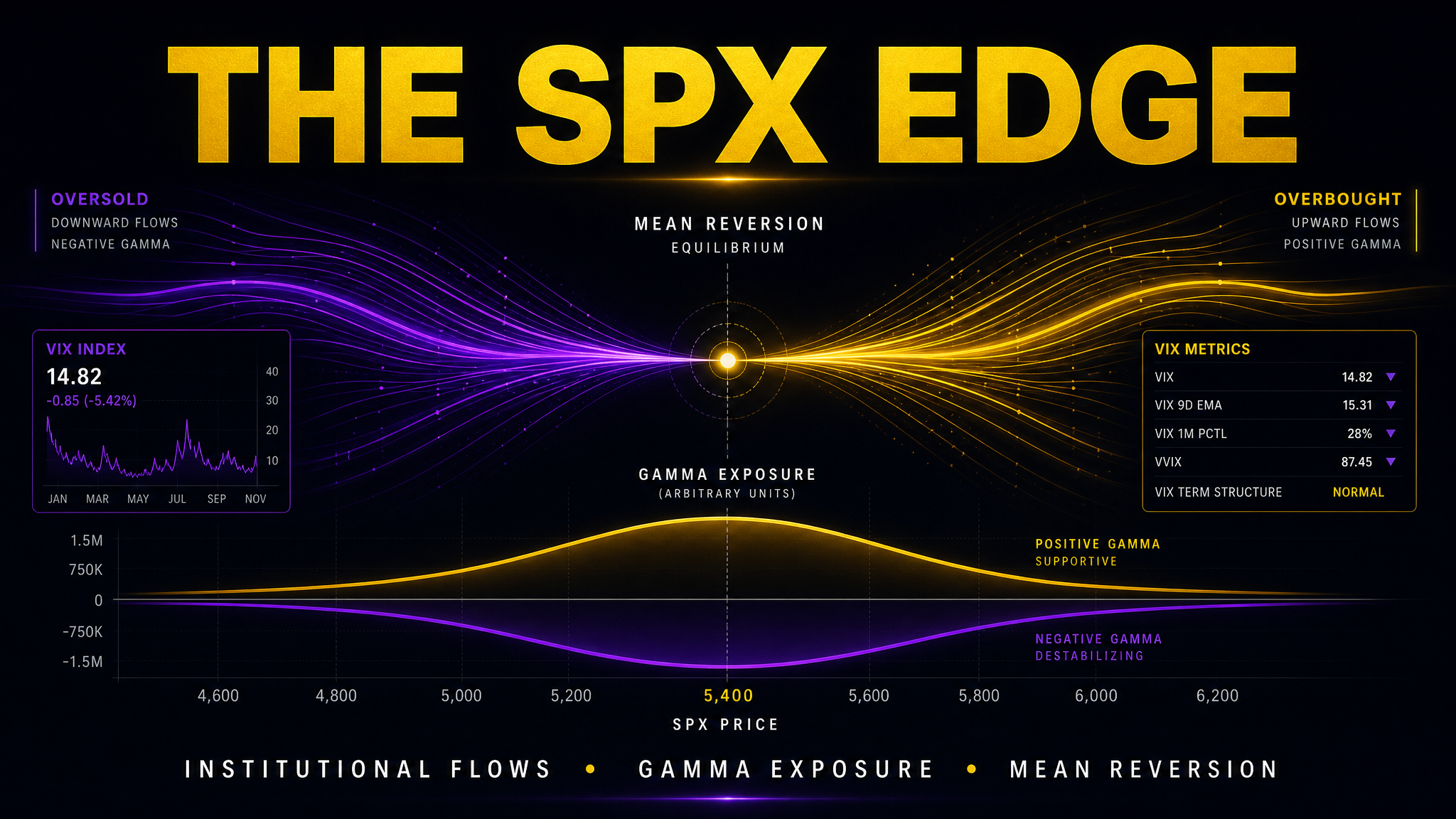
The SPX Edge: Why This Index Is Built for 0DTE Theta Strategies
A deep dive into the market mechanics that make SPX the most powerful underlying for 0DTE options — institutional flows, gamma exposure, VIX dynamics, mean reversion, and why theta strategies thrive here.

Top SPXXL Features to Showcase in Demo Videos
The definitive list of SPXXL platform features ranked by conversion impact. Exact talking points for each feature to use in your screen recording walkthroughs.
Become an SPXXL Affiliate Educator
Join the SPXXL affiliate educator program. Create screen recording walkthroughs of the 0DTE decision engine, teach your options trading audience, and earn 20% recurring commissions on every referral.
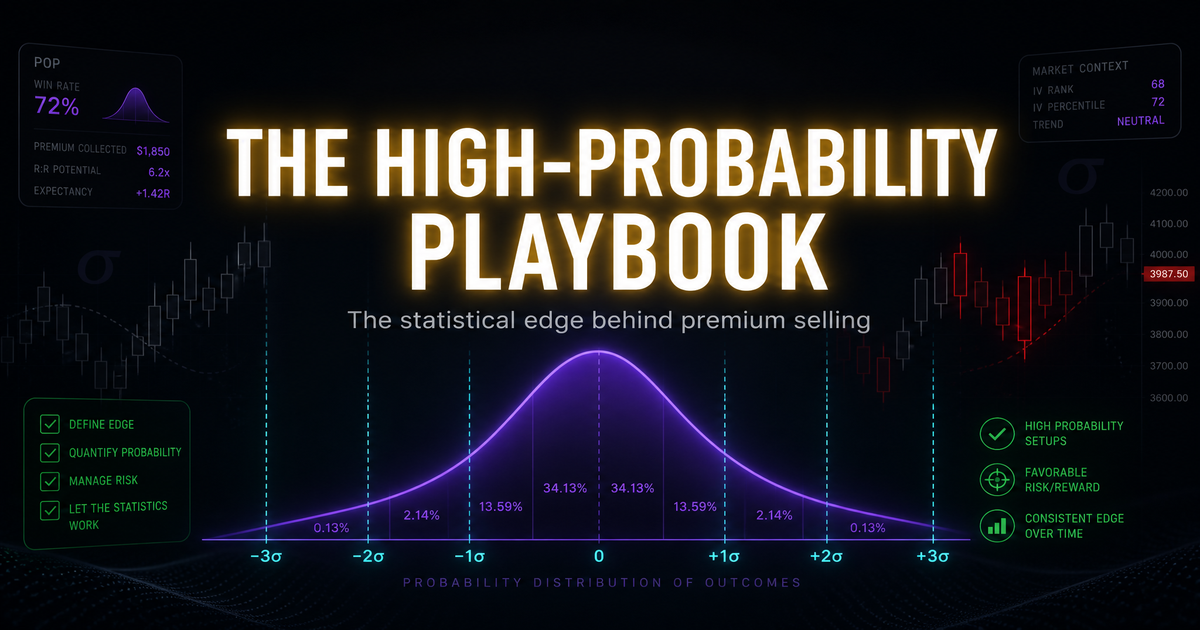
The High-Probability Playbook
There is no “guaranteed” trade — but there is a proven, structural edge: the Volatility Risk Premium. Learn where it comes from (16-delta Puts finish in the money ~5% of the time, not 16%), how to anchor strikes to sigma instead of drifting delta, the defined-risk debit structures that capture it (Debit Spreads, Debit Condors, debit Butterflies), the 50%-profit / 21-DTE management rules that lift win rate to ~80%+, Kelly sizing, 0DTE filters, and the honest negative-skew caveat — with a reference checklist to trade from.
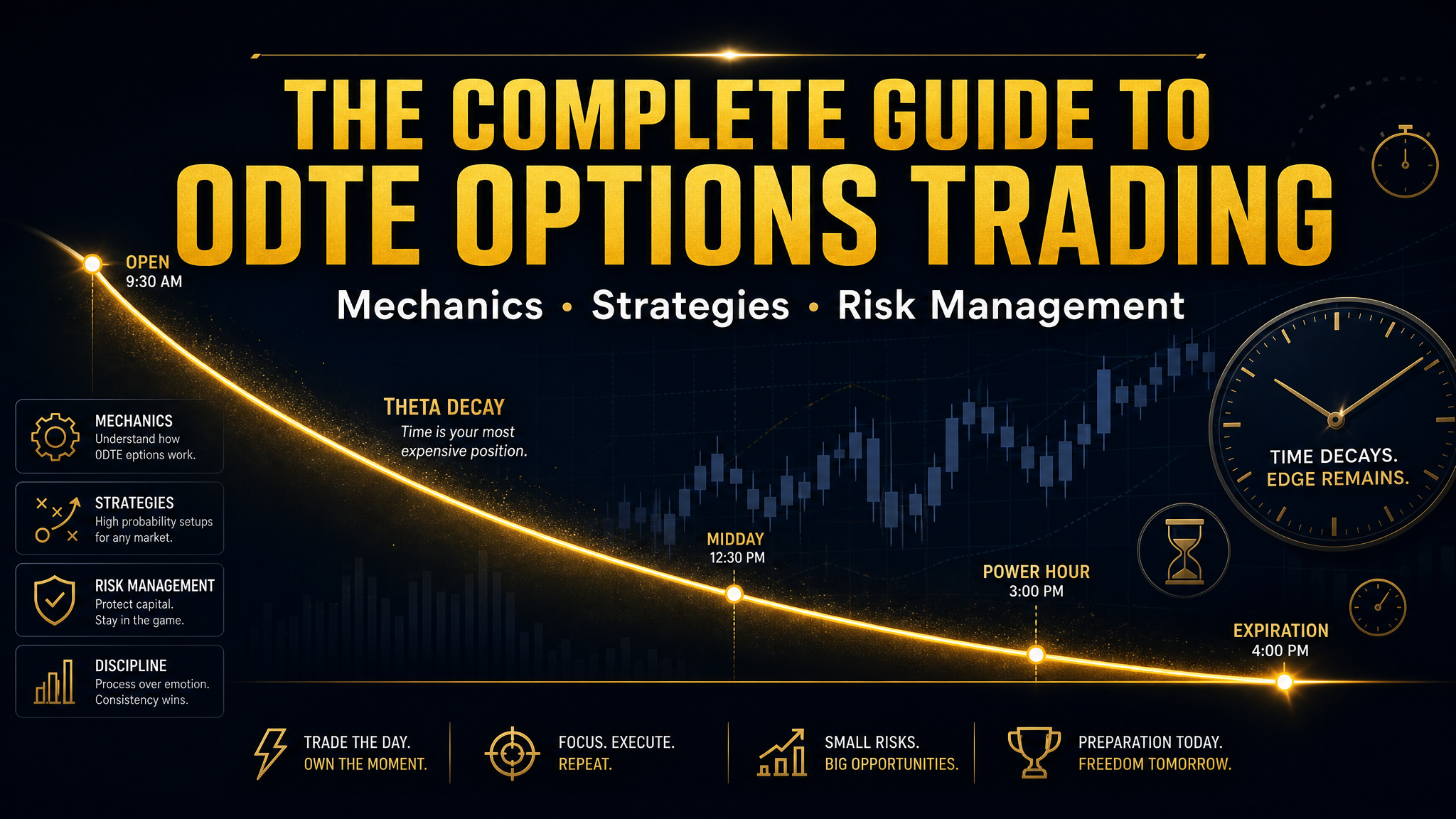
The Complete Guide to 0DTE Options Trading
Everything you need to know about 0DTE options — what they are, why they exploded in popularity, theta and gamma mechanics, SPX vs SPY, five core strategies, risk management, session classification, and building a professional playbook.
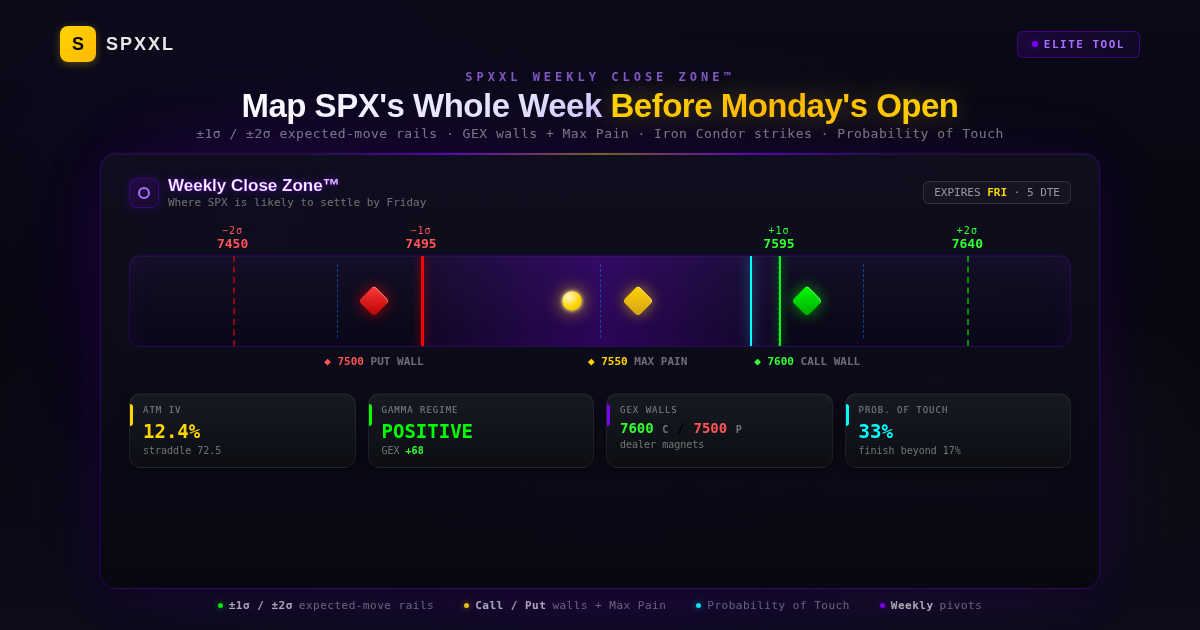
The Weekly Close Zone™: Map SPX’s Whole Week in One Bar
The Weekly Close Zone™ fuses implied-volatility expected-move rails (±1σ / ±2σ), dealer gamma walls, Max Pain, and floor-trader pivots into one strike-ready weekly bar — so you can build Debit Condors and read Probability of Touch before Monday’s open.

Market Makers: The Hidden Force Behind Every SPX 0DTE Move
Market makers are the counterparty to nearly every SPX 0DTE option — and their forced hedging quietly steers intraday price. Learn who they are, why dealer gamma pins, accelerates, and flips the market, and the exact edge SPXXL discovered by reading their positioning in real time.
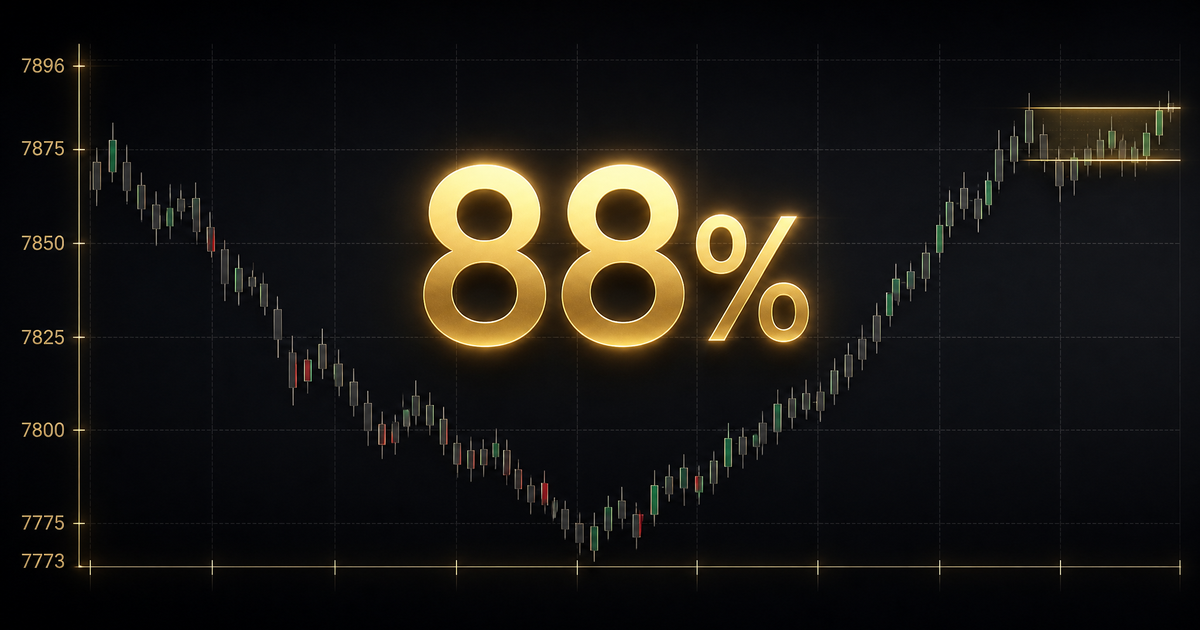
The 88% Rule — You Only Need Five Points Out of a 66-Point Day
I measured 335 SPX sessions. The average day travels 65.9 points and every single one of them travelled at least five. A $5-wide 0DTE debit spread only asks for five — and with the direction called correctly, 88.1% of them finished at full max profit.

The ORB — Opening Range Breakout for 0DTE SPX
Master the Opening Range Breakout using the 60-minute Initial Balance. Learn how SPXXL classifies Trend Days and Expansion Days to give you the conviction to ride IB breakouts with defined-risk Debit Spreads.

How to Trade 0DTE Options for Beginners
A beginner-friendly walkthrough covering prerequisites, your first Debit Spread, the Greeks that matter for 0DTE, position sizing, a pre-trade checklist, common mistakes, and a complete first-week plan.